tl;dr Found a >12 year old laptop gathering dust in my parent's garage. Booted Linux on it but Wi-Fi didn't work. Booted ChromeOS Flex and Wi-Fi works out of the box.
I tried installing Fedora and Ubuntu on a >12 year old laptop but Wi-Fi didn't work because it needed proprietary firmware. Fortunately the firmware had already been reverse-engineered and readily available as a package to install [1]. But I couldn't install the package because, well, I didn't have Wi-Fi working and there's no Ethernet port so no Internet access. Catch-22. I attempted copying the package and its dependencies from another computer, but the dependency tree made this tedious.
Next I tried downloading the package and its dependencies recursively through a Fedora VM (running on a separate computer) then copying them over in one shot but that also proved troublesome. Eventually I bought a USB-to-WiFi adapter which worked out of the box but it's annoying to use a laptop with a large USB-to-WiFi adapter jutting out, especially if you're using it on a lap.
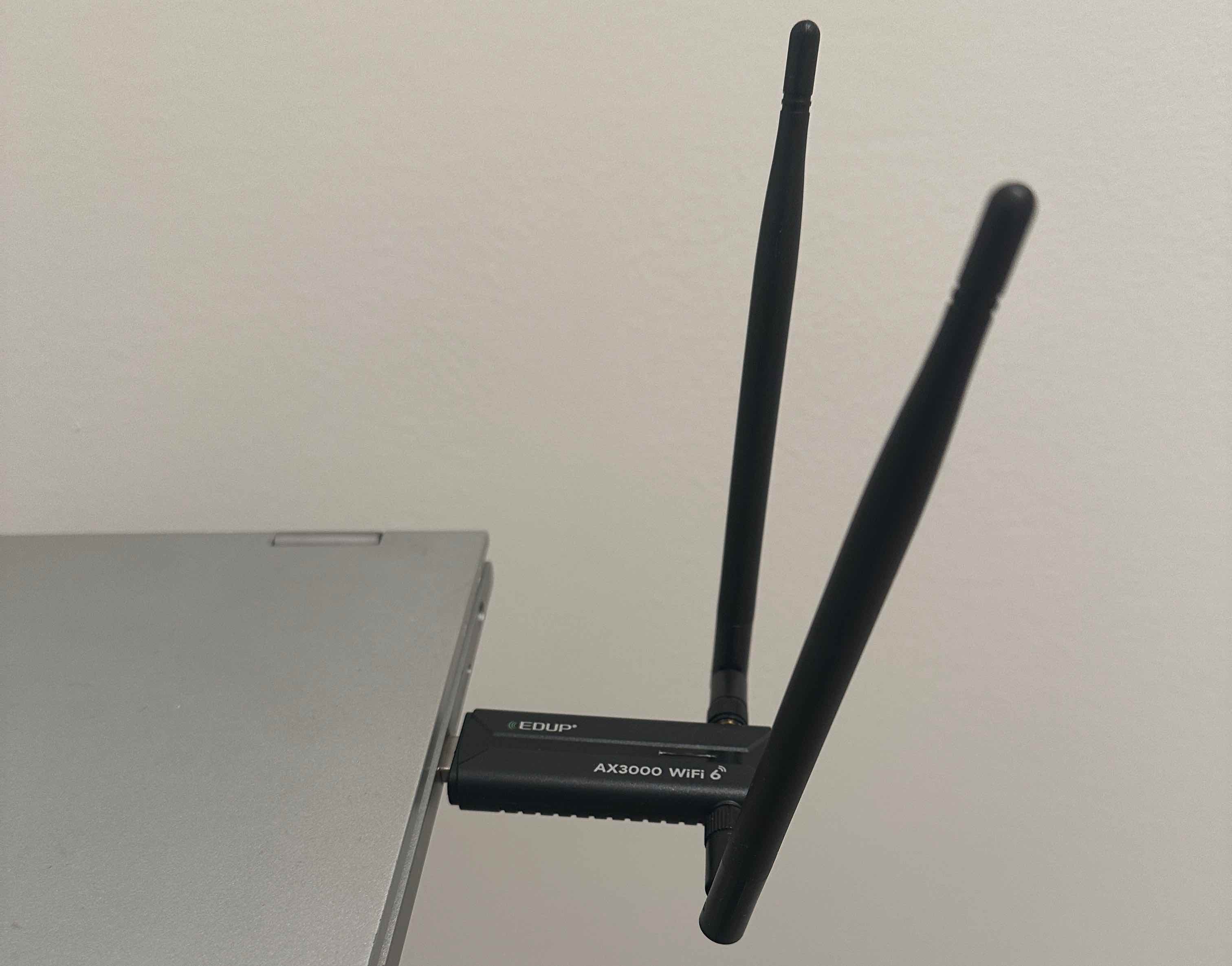
I finally had working Wi-Fi (via the adapter) so I attempted to get the necessary firmware via installing the relevant package in hopes of not needing the adapter. No luck.
A month or so later, I read about and installed ChromeOS Flex on the old laptop. Wi-Fi worked out of the box! No adapter necessary. ChromeOS Flex is ChromeOS for older hardware and it's an official, free OS from Google. It likely ships with the proprietary firmware that Ubuntu and Fedora were missing.
ChromeOS Flex gets security updates. Given the laptop's age, the hardware and BIOS firmware is likely still vulnerable but at least the OS stays current. It's good enough for web browsing and breathes fresh life into legacy hardware that would otherwise be sitting in a garage or landfill.
A brief history of ChromeOS Flex
According to Wikipedia:
- ChromiumOS is the open source base of ChromeOS.
- 2009: Google open sourced ChromiumOS in 2009.
- 2009: A new company called Neverware is born. It creates software for old PCs to become thin clients for more powerful cloud-based desktops. The software is called PCReady. Target audience is schools or businesses with old PCs.
- 2010-2011: Google worked with other companies to launch laptops running ChromeOS (think ChromiumOS + proprietary Google software and integration) and called them Chromebooks. The target audience is schools and businesses looking for cheap PCs.
- 2015: Neverware noticed Chromebooks are competing in the same space as PCReady, so Neverware forks ChromiumOS so that it can run on old PCs that were never meant to run ChromeOS/ChromiumOS, calls the fork "CloudReady", and releases CloudReady in 2015. It basically turns old PCs into Chromebooks that can even be managed alongside actual Chromebooks.
- 2017: Google invests in Neverware.
- 2018: Neverware acquires another company called Flint Innovations with a fork of ChromiumOS called FlintOS.
- 2020: Google acquires Neverware.
- 2022: Google releases ChromeOS Flex.
Founded in 2009 by Jonathan Hefter, Neverware began as an experiment in his parents' garage, resurrecting old machines and seeing if he could get them to run like new.
[1] It was reverse engineered by Larry Finger, who passed away in 2024. RIP Larry Finger, and thank you for your contributions to wireless on Linux. ↩